
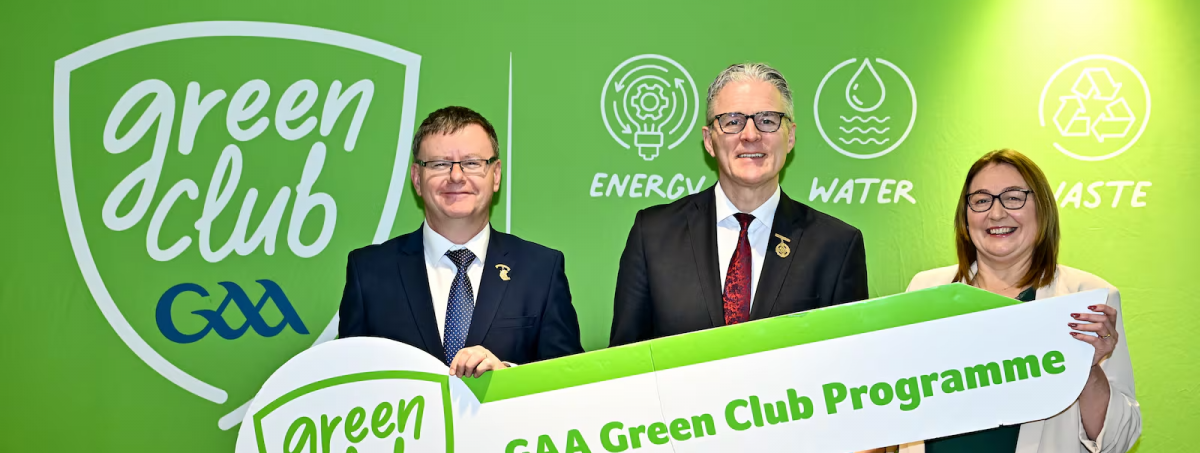
The GAA has highlighted that more than 200 Gaelic games clubs have secured over 7 million euro through the Community Climate Action Fund this year, a figure that matters to association and institute professionals as it shows how a membership body can pair a shared climate toolkit with its units’ access to public funding.
The GAA is Ireland’s largest sporting and community organisation, headquartered at Croke Park in Dublin. Its Green Club programme, running since 2020 with local authority Climate Action Regional Offices and environmental organisations, covers energy efficiency, water conservation, biodiversity and waste management.
The Community Climate Action Fund is a state scheme that channels climate grants to community groups through local authorities. The GAA announced the figure during Climate Action Week and said a new Resilience and Response resource will launch at Croke Park on 22 November to help clubs prepare for extreme weather.
Dr Crokes in Killarney was among the first clubs to install a solar photovoltaic system and has since added rainwater harvesting and a biodiversity programme. Castleknock in Dublin has been recognised for energy efficiency, waste reduction and biodiversity work. Ulster GAA, the association’s provincial council for Ulster, won international recognition for its Sporting Nature programme at the Sport Positive Awards.
The figure shows how an association’s programme can sit alongside public funding for its members.
Community climate grants run through local authorities, with small, medium and large scales of up to 20,000, 50,000 and 100,000 euro open to sports clubs, according to the Dublin People. The first phase supported 650 projects with 24 million euro, according to gov.ie.
For the sector, a toolkit that requires no specialist environmental expertise can lower the cost of applying for grants, which favours organisations with a national body behind them. For the sector’s volunteer run units specifically, practical guidance and recognised examples let a small club replicate projects that others have already proven.
The new resilience resource extends the programme from cutting costs to protecting facilities and communities against weather events.
Whether the number of clubs winning public funding keeps rising, rather than levelling off once early adopters are served, will indicate how far shared toolkits can sustain member participation across the sector.
Source: Sport for Business / Dublin People / gov.ie





.png)